During my internship at FOMU, I worked as an assistant to curator Ingrid Leonard, focusing on developing the museum’s Study Collection. The project was still in its early stages when I arrived, which gave me the opportunity to participate in different aspects of its organization, research, and development.
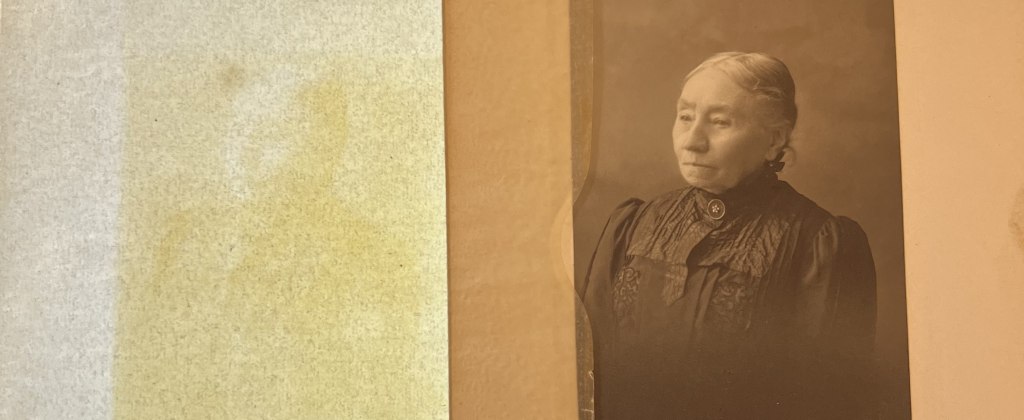
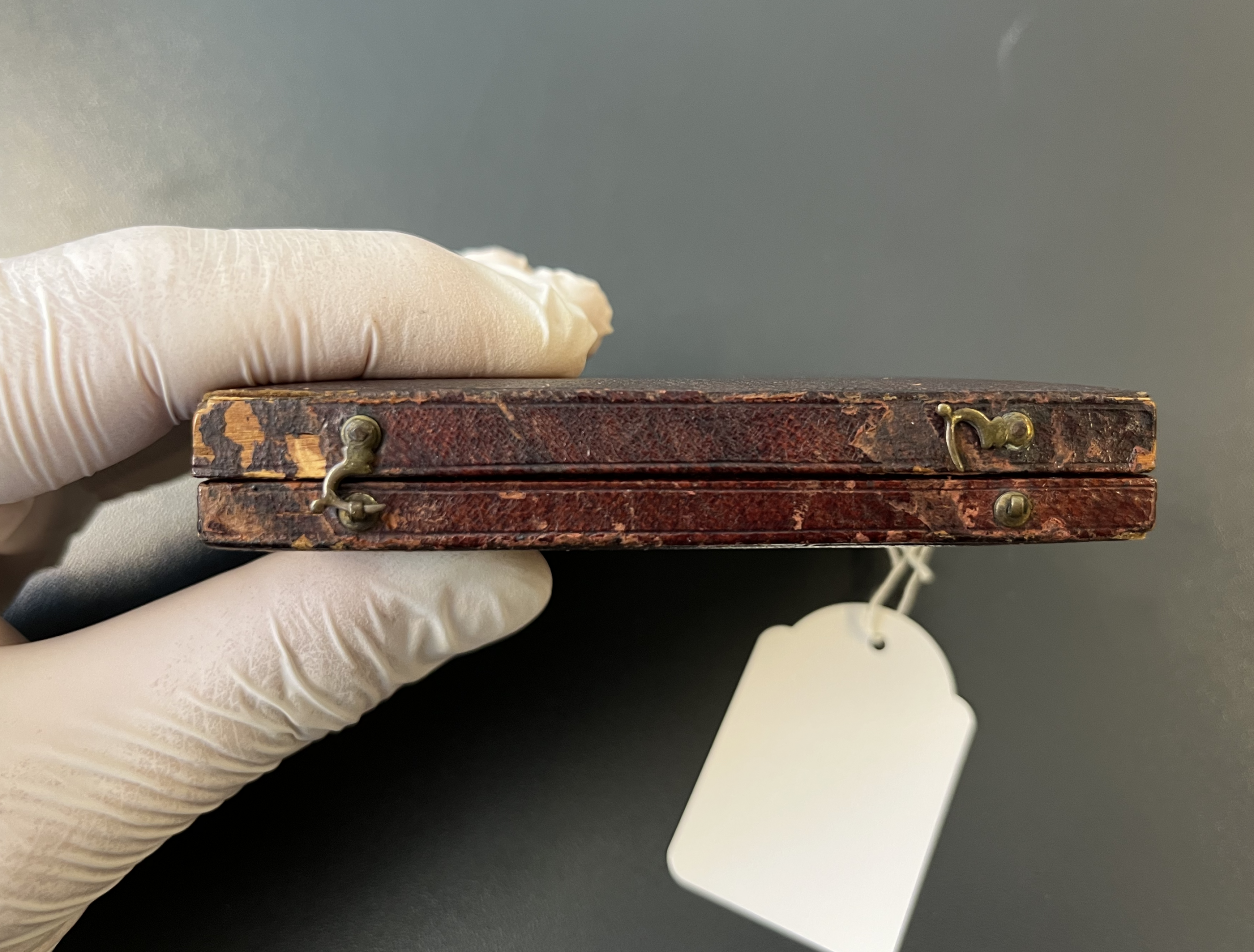
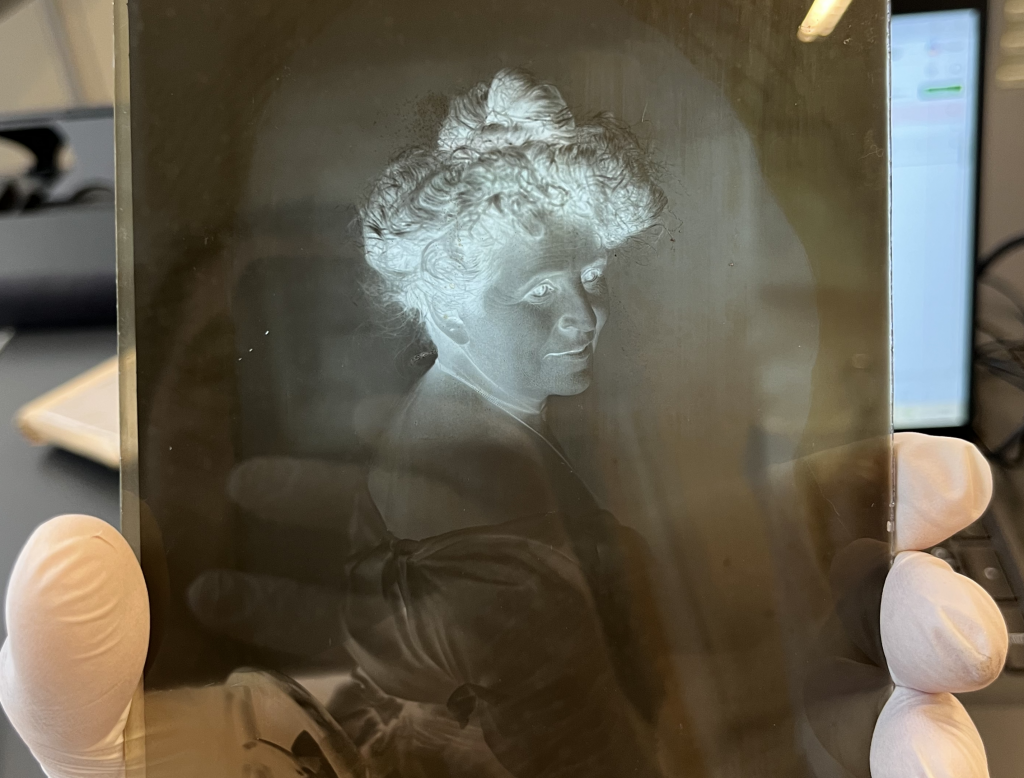
The Study Collection brings together approximately 300 photographs in different formats and photographic processes, dating mainly from the mid-to-late 19th century to the early 20th century. Its aim is to make these objects directly accessible to researchers, students, artists, and curators, encouraging the study of photography not only through the images represented, but also through their material and technical characteristics.
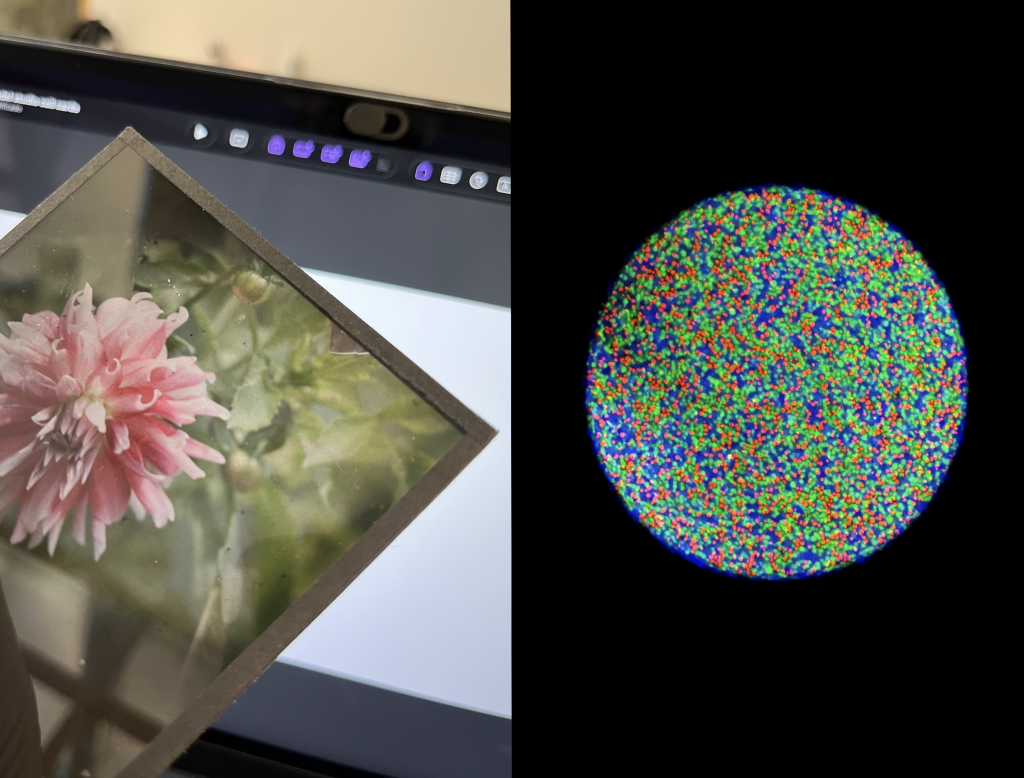
My work on the Study Collection combined collection organization, research, documentation, and the development of resources for its future users. I cataloged and prepared the photographs, researched the photographic processes represented in the collection, and, with the guidance of Michiel Demaeght, FOMU’s specialist in analog photographic processes, produced study sheets and microscopic images to support identification and material analysis.

A particularly important part of this process was developing the Manifesto with Ingrid Leonard. The document defines the purpose and principles of the Study Collection, explains why direct access to and engagement with photographic objects matters, and helps articulate the project within FOMU and for its future public. I also contributed to exchanges with other study collections, which helped place the project within a broader context and consider questions of access, organization, research, and collaboration.
One central question that emerged from this work concerns the risk inherent in the Study Collection itself. Making photographic objects available for direct consultation, handling, and comparison inevitably introduces material vulnerabilities that differ from the conservation protocols normally governing a museum collection. At FOMU, this tension made me consider risk not simply as a limitation to be minimized, but as a condition that must be identified, negotiated, and made explicit when a collection is activated for research and public use. This experience became an important starting point for my current research, which examines how curatorial activation can engage material, institutional, and epistemic risk as part of a methodology for producing new forms of knowledge and experience.

The project was developed from 23 April to 21 August 2026. The Study Collection is expected to be activated during the semester beginning in September 2026, although the exact date has not yet been confirmed.
Autochrome (Studie_205), with a detail at 200× magnification (right).
Acknowledgements
Ingrid Leonard, Michiel Demaeght and Inneke Daghelet (FOMU), all the people at the FOMU Reception, Dieter Suls (MOMU), Laura Herman (Curatorial Studies, KASK).